Table of Contents
The Ultimate Guide to Distance Learning in the USA — How to Choose, Succeed & Stay Accredited
Introduction — why distance learning still matters (and how to win at it)
If you’re thinking about studying remotely, you’ve joined millions who choose flexibility, shorter timelines, or career-focused training over a campus-only experience. Distance learning in the USA today ranges from short, skill-focused bootcamps to fully online bachelor’s and master’s degrees. The trick is not just picking a program — it’s picking the right program, planning how to pay for it, and setting up the habits and tech that turn remote classes into real learning and career progress.
This guide walks you through choosing legitimate programs, understanding costs and financial aid, studying effectively in an online environment, and making your new credentials count for jobs or career moves. I’ve written this in plain language — real, actionable steps you can use right away.
What “distance learning” actually covers
Distance learning is an umbrella term. Here are the main flavors you’ll meet:
- Fully online degrees (BA/BS/MS) — complete academic degrees delivered remotely.
- Hybrid programs — mostly online, with occasional in-person labs or intensives.
- Microcredentials / certificates — short programs focused on a skill or tool (data analytics, cloud foundations).
- Bootcamps — intensive, career-oriented courses (often coding, UX, data science).
- MOOCs (Coursera, edX, etc.) — single courses or series that may be free to audit; verified certificates usually cost money.
Each has different time, cost, and career profiles. Know what you need before you commit.
How to spot credible programs (don’t skip this)
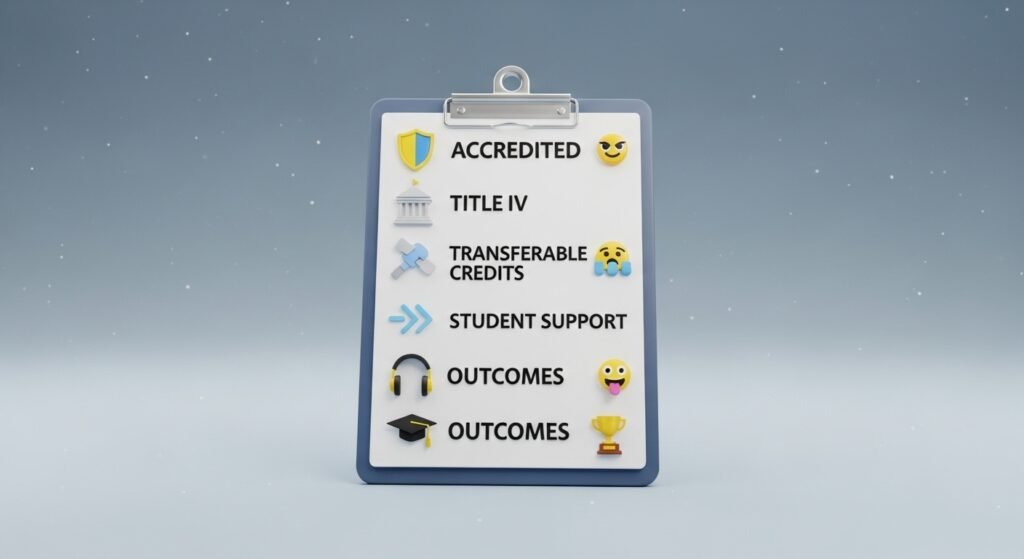
- Is the school accredited by a recognized agency? (Look for listings from CHEA or the U.S. Department of Education.)
- Is the specific program online-eligible for federal aid (Title IV)? If you plan to use FAFSA, confirm Title IV status.
- Does the program have industry recognition? For technical fields, employers often care more about projects and skills than the delivery mode — but a reputable provider helps.
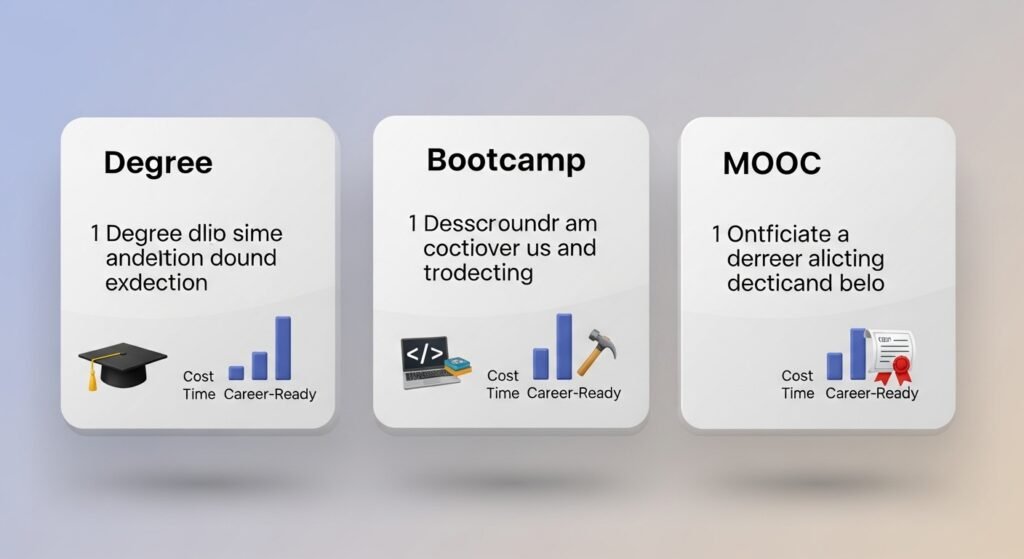
A short decision matrix — which program to pick
Use this table as a starting point; then rank programs by cost, time, and outcome alignment.
Money matters — how to pay for distance learning
- FAFSA & federal aid: Accredited degree programs that meet Title IV rules often let you access federal loans and grants. Always confirm a program’s eligibility before assuming aid is available.
- Scholarships and grants: Many universities and professional groups offer scholarships to online learners. Search by field and demographic.
- Employer tuition assistance: Ask your HR or manager whether your employer reimburses courses — many companies will pay for job-related training.
- Financial aid & promotions on MOOC platforms: Platforms like Coursera and edX sometimes offer financial aid or temporary free verifications for verified certificates.
- Payment plans and income share agreements: Some bootcamps offer deferred payment or ISAs — understand the terms and total cost before signing.
What to check with admissions — 10 quick questions
When you speak with admissions or an advisor, ask these things and keep notes:
- Is the program accredited and by which agency?
- Is it Title IV-eligible for online students?
- What is the average cohort size and instructor availability?
- Are live sessions required or mostly asynchronous?
- How are labs, internships, or hands-on work handled remotely?
- What tech/platforms do you use (Canvas, Blackboard, Zoom)?
- What student supports exist (advising, tutoring, library access)?
- What percentage of graduates find relevant work (placement stats)?
- Are credits transferable?
- Are there any hidden fees (proctoring, textbooks, software)?
Write their answers into a small comparison sheet. It will save you from surprise fees or poor support.
How to succeed once you’re enrolled — habits that actually work
Online learning asks more self-management. Here’s a practical routine I recommend:
- Treat class times as real appointments. Put live sessions and deadlines into your calendar and protect those blocks.
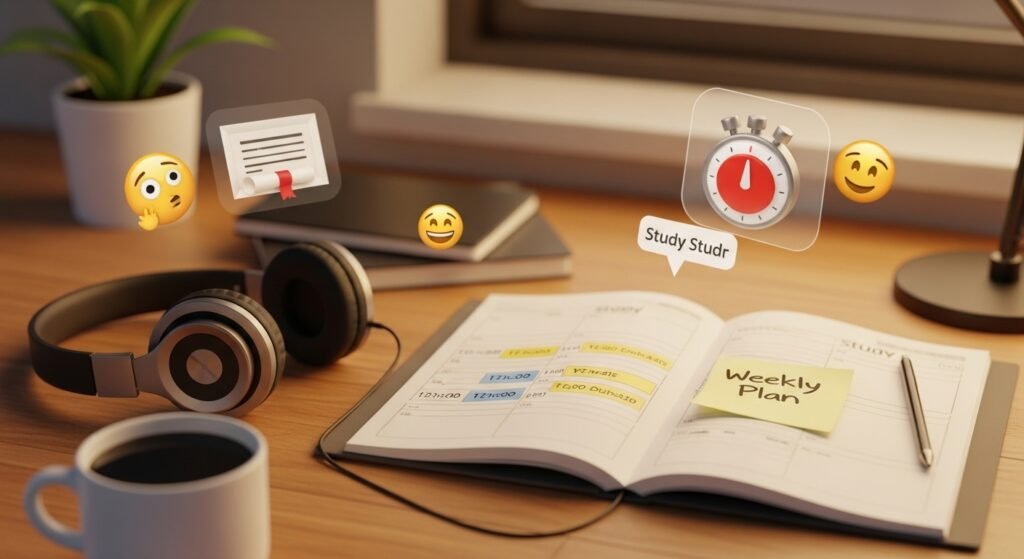
- Build a weekly routine. Small weekly rituals — a 30–45 minute planning session on Sunday — keep you ahead of deadlines.
- Create a study space. Even a dedicated corner helps. Consistent context helps your brain switch into study mode.
- Use active learning. Don’t passively watch lectures. Take notes, summarize, quiz yourself, and build small projects.
- Form a peer group. Join classmates in Slack/Discord or form weekly study calls — social accountability is huge for remote courses.
- Limit distractions. Use simple rules: phone silent and out of reach during deep work; one browser tab at a time for study.
- Seek help early. If you’re falling behind, email your instructor or advisor. Online programs that respond quickly make a big difference.
Small, repeatable systems beat last-minute heroics.
Technology & privacy — what to expect and how to prepare
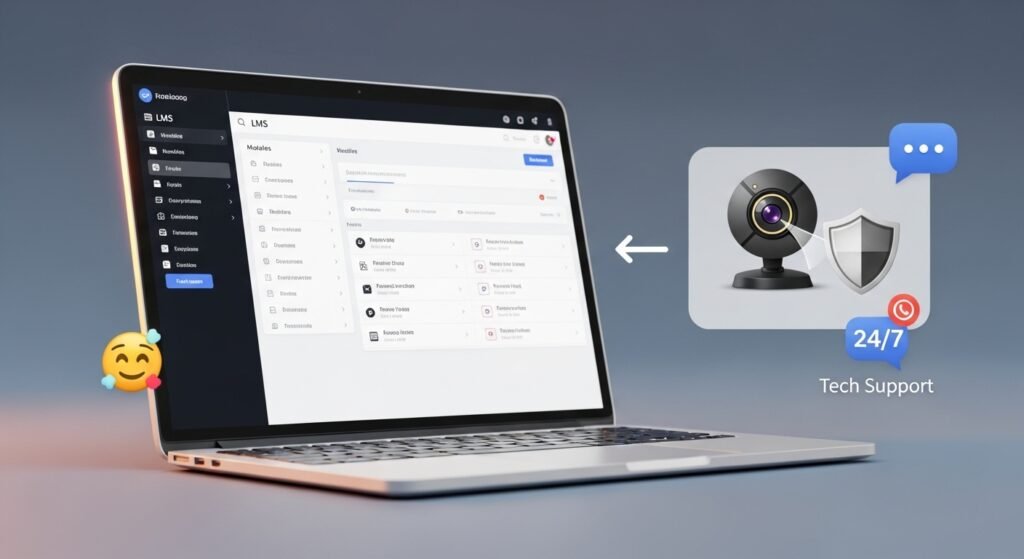
Most programs use a Learning Management System (LMS) such as Canvas, Blackboard, or Moodle. You’ll also likely use Zoom or Teams for synchronous sessions. Consider these tech notes:
- Internet & hardware: A stable internet connection and a recent laptop or tablet make life far easier. Check course tech requirements before enrolling.
- Proctoring & privacy: Many exams are remotely proctored. Read the proctoring vendor’s privacy policy so you understand what is recorded (camera, screen, audio).
- Software licenses: Some programs require paid software (statistical packages, design tools). Include these costs in your budget.
- Tech support: Good programs offer 24/7 or extended tech help — test this early (open a support ticket) to see how responsive they are.
Proactive tech checks in week 0 prevent a lot of stress later.
Learning design: what good online courses do differently
High-quality online courses are intentionally designed, not just filmed lectures. Look for these features:
- Clear learning objectives and rubrics. You should always know what “good” work looks like.
- Frequent low-stakes assessments. Small quizzes and formative feedback help learning more than a single high-stakes final.
- Instructor presence. Regular instructor responses, video messages, or live Q&As increase engagement.
- Peer interaction. Group work, discussions, and peer review improve learning and lower isolation.
- Scaffolded projects. Big assignments are broken into smaller, feedback-driven steps.
If a program shows these design elements in a syllabus or sample lesson, that’s a good sign.
How employers evaluate online credentials (and how to help them)
Employers increasingly accept online degrees and certificates — but they look for evidence of skills. Convert your learning into proof:
- Build a portfolio project that demonstrates a real outcome (web app, data report, marketing campaign).
- Quantify results: “Improved model accuracy by 15%” reads better than “completed course in machine learning.”
- Get recommendations from instructors or project collaborators who can speak to your work.
- Use LinkedIn smartly: list credentials and attach project links or short case studies.
An online certificate plus a strong project is often more persuasive than a generic badge alone.
Common pitfalls — and how to avoid them
- Choosing prestige over fit. A famous brand isn’t helpful if the delivery model requires full-time synchronous attendance you can’t meet.
- Ignoring accreditation. Non-accredited programs can waste time and money — check first.
- Underestimating time commitment. Online learning often requires more self-driven hours than classroom time suggests. Ask for sample syllabi and weekly workload estimates.
- Skipping career support. Check if the program offers career coaching and employer connections.
A small checklist across these areas keeps surprises low.
A 6-step action plan to choose and start a program
- Define the outcome — job, degree, new skill, or credential.
- Shortlist 3 programs that meet accreditation and cost filters.
- Score them on outcome alignment, delivery mode, support, and net cost.
- Talk to admissions & students — get candid answers on workload and outcomes.
- Confirm finances — FAFSA, scholarships, employer support, and hidden fees.
- Set up week 0 — tech checks, calendar blocks, study space, and a peer study partner.
Follow this plan and you’ll start with clarity instead of stress.
Final thoughts — distance learning can transform careers if you treat it like real work
Distance learning gives options that didn’t exist a generation ago. It’s flexible and powerful, but only if you pick the right program and build the structures that support remote study: clear goals, active learning, a reliable routine, and evidence you can show employers. With those pieces in place, online education becomes a pathway — not a gamble.
Learn Proven Study Tips for Students — Practical & Research-Backed Strategies
Call to Action
Tell me your goal (degree, career pivot, skill boost) and I’ll suggest three programs that fit your timeline and budget — plus a 30-day study plan tailored to whether your chosen program is synchronous or asynchronous. Ready? Drop your goal below and I’ll get started.
Post navigation
Previous Post
 Proven Study Tips for Students
Comments
Post a Comment